ISO 140018 min read
ISO 14001 certification in Switzerland: how to get it
How ISO 14001 certification works for Swiss SMEs: what the standard requires, two routes to a certificate, a checklist and what to expect.
By Michael Schwarz, Lead auditor ISO 9001 and 14001, SICE
You can get ISO 14001 certification in Switzerland by two routes: the classic route with an on-site audit by a certification body, or an online self-assessment such as the one Zertify offers. Both end in a certificate for your environmental management system, and the right choice depends on who asks for the certificate and what they accept.
This article explains what the standard requires, where Swiss buyers ask for it, how the two routes differ and what to prepare before you start.
What ISO 14001 requires
ISO 14001 is the international standard for environmental management systems. The current edition is ISO 14001:2026, and the official description is on the ISO page for the standard. It does not set emission limits or prescribe technology. It asks you to run a system that identifies how your business affects the environment, keeps you within the rules that apply to you and improves over time.
Like other management system standards, it follows the high level structure with clauses 4 to 10:
- 4 Context of the organization: you describe your business, the parties with an interest in it and the scope of your system.
- 5 Leadership: the owner or management sets an environmental policy and assigns responsibilities.
- 6 Planning: you identify environmental aspects and legal obligations, assess risks and opportunities, and set objectives.
- 7 Support: resources, competence, awareness, communication and documented information.
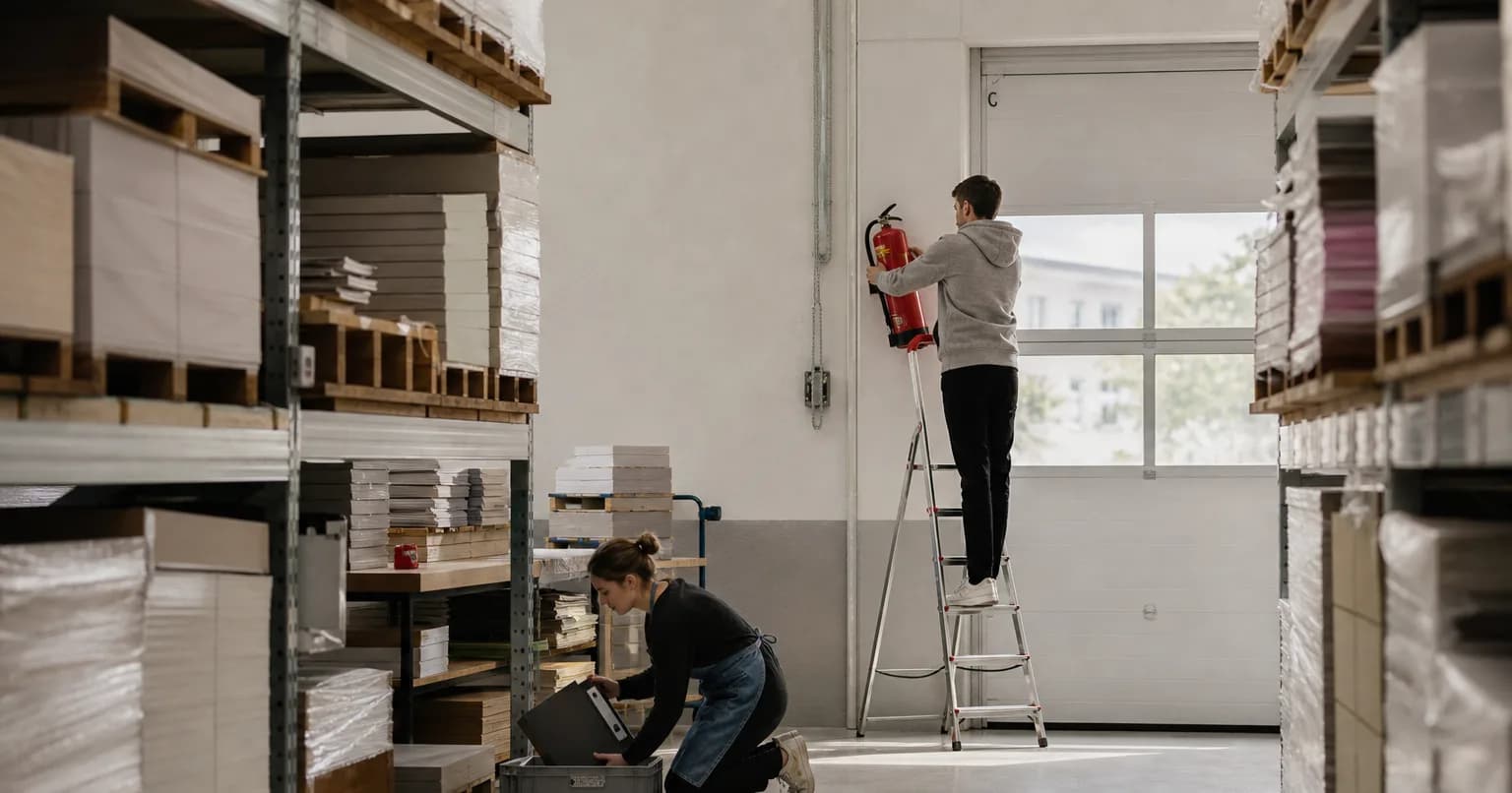
- 8 Operation: the controls for the activities that matter, including how you prepare for emergencies such as a chemical spill or a fire.
- 9 Performance evaluation: monitoring, internal audit and management review.
- 10 Improvement: how you handle nonconformities and act on them.
For a company with ten or fifty employees, this does not mean a binder of two hundred pages. It means that a few things are decided, written down and actually followed: what you emit, consume and dispose of, which rules apply, who is responsible and how you check.
Who asks for ISO 14001 in Switzerland
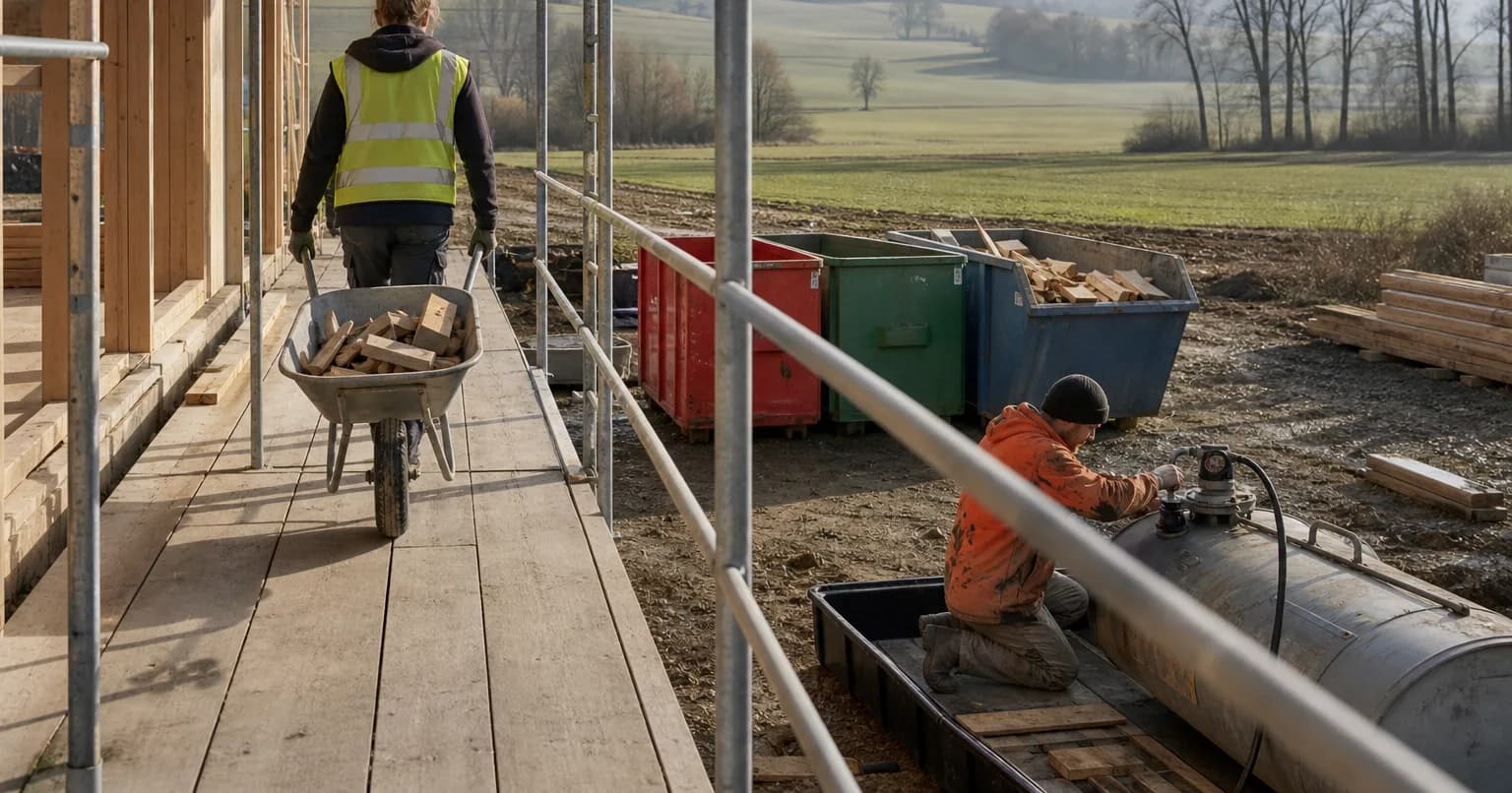
In most cases the request comes from outside. A supplier questionnaire from a larger customer contains a line on environmental management. A tender asks for proof of a management system. A purchasing department compares three quotes and gives weight to the one with a certificate. Construction, industry, logistics, food production and trade suppliers meet this more often than pure service firms, but agencies and consultancies receive the same questionnaires when they work for large clients.
The second reason is internal. An owner wants to know where energy, material and waste costs arise, and the standard gives a structure for finding out. The third reason is the market: a customer in Germany, Austria, France or Italy asks a Swiss supplier for the same proof they ask of everybody else.
Before you choose a route, find out what the requester actually asks for. Read the tender text or the questionnaire. If it names a certificate to ISO 14001, you have room to choose. If it explicitly demands an on-site audit by a certification body, the classic route is the answer.
The two routes to an ISO 14001 certificate
The classic route
A certification body sends an auditor to your premises. The audit usually has two stages: a review of your documentation and system, then an assessment of how it works in practice, with interviews and a walk through your sites. After the certificate is issued, surveillance audits follow in the years after. This route suits companies with several sites, high environmental risk or a customer who requires it. It takes time to schedule and costs a multiple of an online route. The cost guide breaks down what drives the price.
The online self-assessment
The Zertify route has no on-site audit. You answer a structured self-assessment on the requirements of the standard, and you describe how your business meets them. A member of the SICE Certification Board reviews every assessment before a certificate is issued. The certificate is issued by Zertify under licence from SICE, and anyone can check it on a public verification page. The guide to certification without an audit explains how this works and where it fits.
This route suits small and medium businesses that need a certificate for a questionnaire, a quote or a customer relationship and do not want to organise an audit visit. It works only if your system exists in fact. The assessment asks for concrete answers, and a review can send you back to improve them.
Checklist before you start
Work through this list before you open the assessment. If you can tick most items, the assessment will go quickly.
The last three items are where small firms most often have gaps. A policy is easy to write. Evidence that you measure, check and review is what shows the system works.
What the assessment looks at
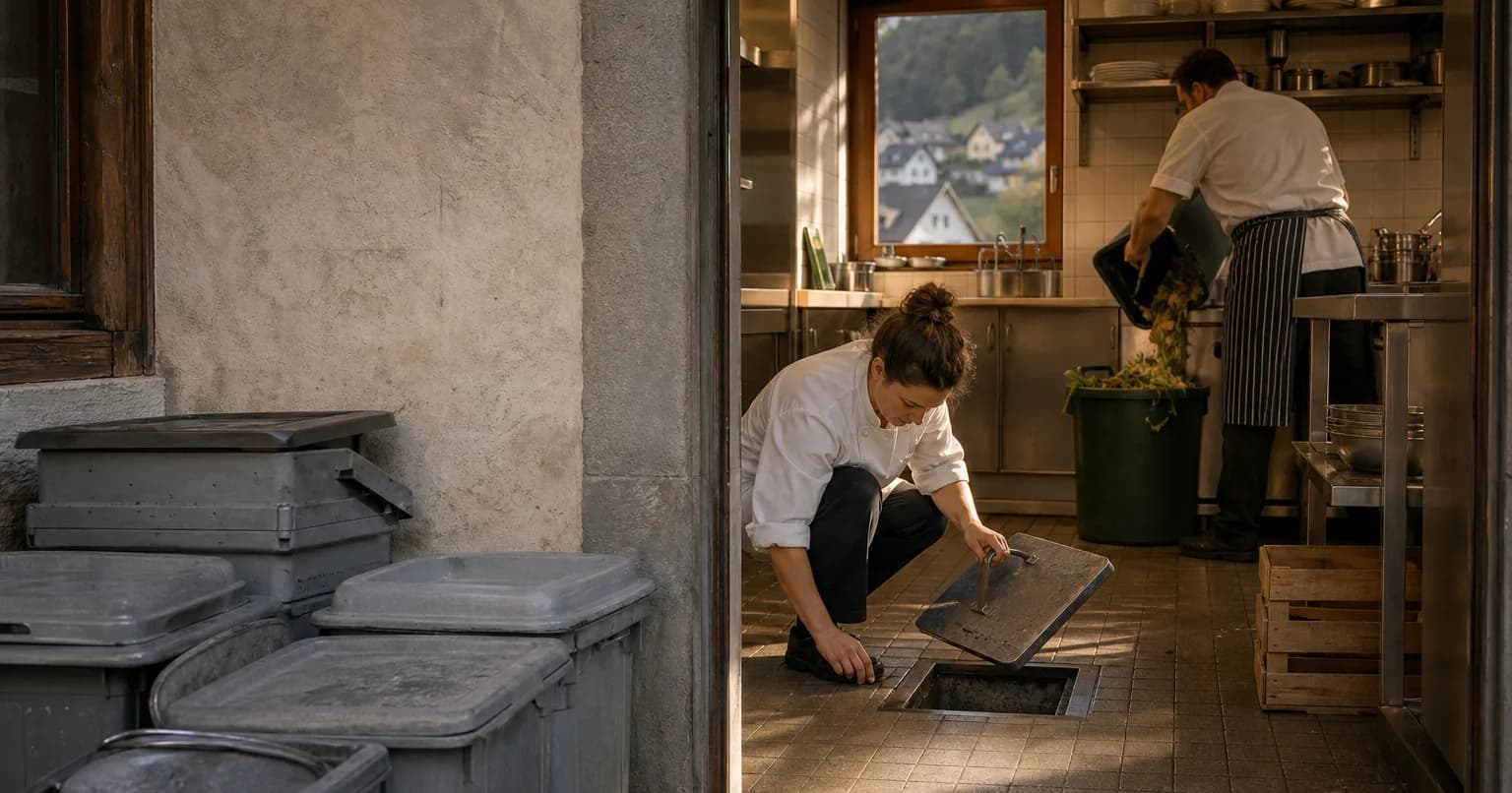
The questions follow the structure of the standard, so the clauses above are a good preparation. Expect to explain how you determine your environmental aspects, how you keep track of legal requirements, how you control the operations that matter and how you react when something goes wrong. A short example from your own work is worth more than a general statement. "We collect used oil in marked containers and a licensed disposer collects it quarterly" says more than "we dispose of waste properly".
If you handle hazardous substances, operate vehicles or use a lot of energy, expect more detailed questions in those areas. A small office-based business will have a shorter list of aspects, and that is correct. The standard asks for what is relevant to you, not for a complete catalogue.
How Zertify fits in
Zertify issues ISO certificates based on an online self-assessment. For this standard, the page ISO 14001 at Zertify shows the scope of the certificate and the questions you will meet. The pricing page sets out what the certificate costs, including the yearly confirmation.
The process is short. You start the assessment, answer the questions, and a member of the SICE Certification Board reviews the result. After a passed assessment and payment, Zertify issues the certificate within 4 hours. You receive a PDF with a QR code. Whoever scans it lands on the verification page and sees that the certificate is genuine and current.
The certificate is valid for three years. Every year you confirm it with a short online re-audit, which is part of a yearly subscription. You should plan for that from the start, because the certificate stays valid only as long as you confirm it.
If you are unsure whether your business is large or complex enough to need more than this, the guide to ISO certification for small and medium businesses helps with the decision.
Common mistakes
Treating the certificate as the goal. The certificate is the proof. The goal is a system that your staff use. A questionnaire is quickly answered with a certificate, but a customer audit will still ask your team how they handle waste or a spill.
Copying a template policy. A policy that mentions activities you do not have, or omits ones you do, shows at once that nobody has thought it through. Write two paragraphs about your own business instead.
Ignoring legal obligations. Permits, reporting duties and disposal rules vary by canton and by activity. Make one list, name an owner and date it. This is the part of the standard where a gap has real consequences, beyond the certificate.
Setting vague objectives. "Reduce our environmental impact" cannot be checked. "Reduce paper consumption at the Zurich office by a fifth within twelve months" can.
Forgetting the yearly step. Whichever route you choose, the certificate needs maintenance. Put the confirmation date in the calendar when the certificate arrives.
Which route to choose
If your customer or tender requires an on-site audit by a certification body, take the classic route. If you need a verifiable ISO 14001 certificate for supplier questionnaires, quotes and customer files, and your system is in place, the online assessment gives you that without an audit visit. In both cases, start with the checklist above. The gaps you find there are the work that remains, and no route avoids it.
Frequently asked questions
Is ISO 14001 mandatory in Switzerland?
No. The standard is voluntary. You must comply with the environmental rules that apply to your business whether you are certified or not. ISO 14001 becomes necessary in practice when a customer, a tender or a supplier questionnaire asks for it.
How long does ISO 14001 certification take with Zertify?
The time you need depends on how far your environmental management system is developed. Once you have passed the assessment and paid, Zertify issues the certificate within 4 hours.
How long is the certificate valid?
The certificate is valid for three years. You confirm it every year with a short online re-audit, which is part of a yearly subscription.
Can a customer check that my certificate is genuine?
Yes. The PDF carries a QR code that leads to a public verification page. There the customer or purchasing department can see that the certificate exists and is current.
Do I need an on-site audit for ISO 14001?
Only if the party requesting the certificate requires one. The classic route includes an on-site audit by a certification body. The Zertify route is based on an online self-assessment that a member of the SICE Certification Board reviews. Read the tender or questionnaire to see which one is asked for.